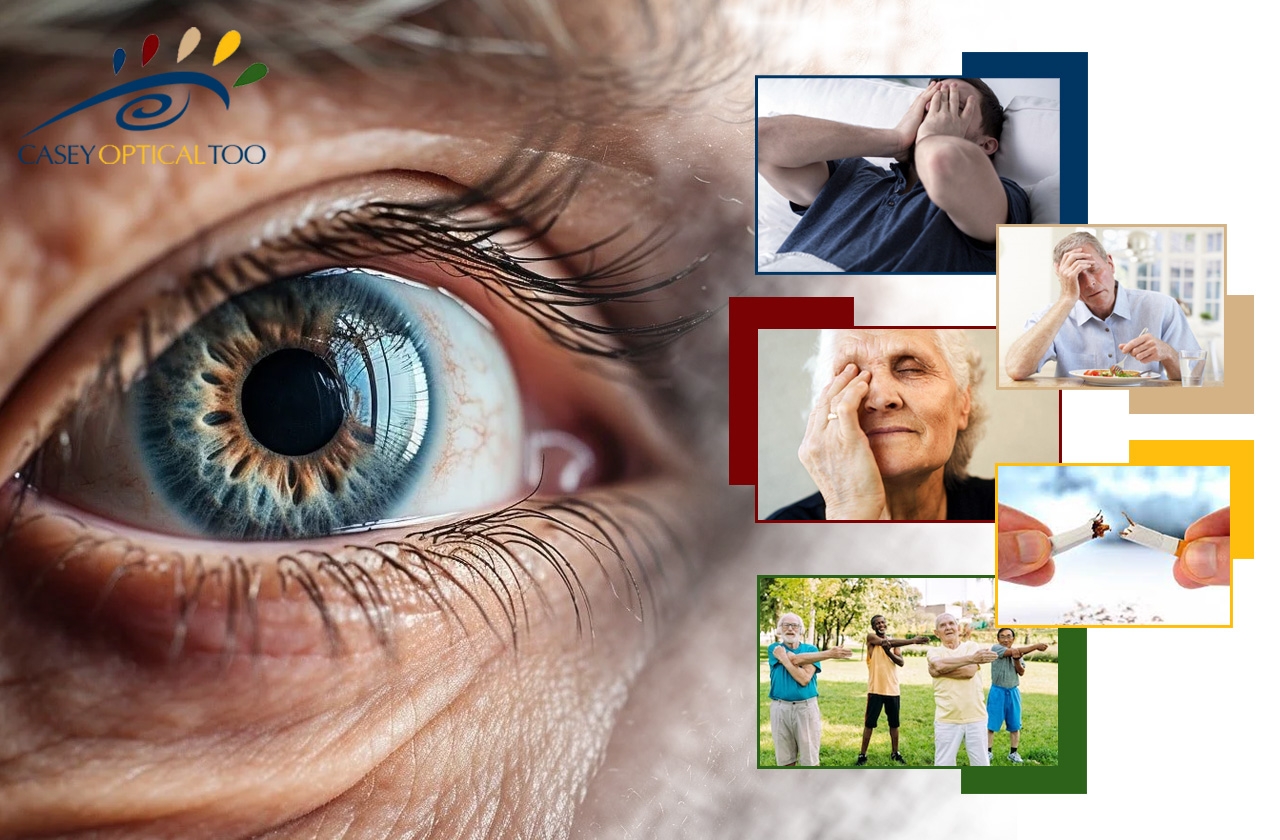
The loss of eyesight has an impact beyond only vision. Problems with your vision can harm other aspects of your life and cause additional difficulties because it is one of the five primary senses. Loss of vision may have a significant impact on your mental health.
This article will examine the negative consequences of vision loss on one's physical and emotional health, how to deal with it, and how to prevent it.
The relationship between mental health and vision loss
Loss of vision has effects that go beyond issues with physical health. In reality, research has revealed that those who have lost their sight are more likely to have the following conditions:
Health and Human Services. Mental tension and loss of sight.
- Anxiety and depression
- Loneliness
- Social exclusion
- Fear and worry emotions
One in four people with eyesight loss report having these mental health issues, according to a 2022 study. Additionally, the study found that compared to people 65 years of age and older, younger people with visual loss had a far higher risk of acquiring severe anxiety or despair.
Depressive and anxiety disorders must therefore be ruled out in people with vision loss because they can further reduce their quality of life if left untreated.
Studies have also shown a positive correlation between signs of mental stress and vision deterioration.1 This suggests that emotional stress can influence the onset of vision loss symptoms in addition to being a cause of vision loss.
Vision issues brought on by stress may include:
- Hazy vision
- Eye fatigue and floaters
- Intolerance of bright light
- Eye blinking
- A lot of tears
- Wet eyes
Symptoms of anxiety and depression
If you are experiencing signs of anxiety or depression, speak with your doctor and request a recommendation for a mental health professional.
The following are some typical signs of anxiety external icon:
- Difficulty in regulating worries
- Focusing issues
- difficulty sleeping
- Having a restless, tense, or tense feeling
- Having a bad mood
Typical signs of depression include
- Absence of passion for hobbies and activities
- Often experiencing sadness or anxiety
- Feeling worthless or helpless
- Changes in appetite and weight
- Fatigue or lack of vitality, despite getting enough rest
5 tips for healthy eyes and a healthy mind
-
Increase your daily activity. Exercise reduces your risk of developing health issues that could impair your vision, improves mood, and lowers stress.
- Eat well. Healthy eating can lift your spirits and reduce your risk of developing type 2 diabetes and diabetic retinopathy, one of the leading causes of visual loss.
- Tell your doctor about your family history. Both eye illnesses and mental health conditions can run in families.
- Avoid smoking. Those who struggle with mental health issues pass away on average 5 years earlier than those who don't, frequently from illnesses linked to smoking. Smoking raises your chance of getting an eye condition that can impair your eyesight.
- Take care of your recurring illnesses. Chronic medical problems like cancer, heart disease, and diabetes may increase your risk of getting a mental health issue. To help you manage your condition, take your medications as directed and adopt the suggested lifestyle adjustments.
Prevention
A person's mental health can be significantly impacted by vision loss because it might present several emotional and psychological difficulties. However, these challenges may be conquered, and a positive attitude toward life is maintained with the proper coping mechanisms and assistance. Here are some ideas for overcoming eyesight loss and enhancing mental health:
- Seek support: Consult family, friends, and organizations that support those who are blind or visually impaired. They can offer compassion, inspiration, and helpful guidance based on their experiences.
- Participate in counseling or therapy: Consider seeing a mental health expert with experience working with visually impaired people. They can offer coping mechanisms, encourage mental toughness, and assist you in navigating emotional difficulties.
- Become informed: Discover your condition and the available resources. You can be better equipped to make wise judgments and successfully acclimatize to new situations if you understand your vision loss and its effects.
- Assistive technology and training: Investigate different assistive tools and technologies to increase freedom for people with visual impairments. These consist of magnifiers, screen readers, and adaptable software. You may learn how to utilize these technologies efficiently through training programs, which will help you stay engaged and productive in your daily tasks.
- Adaptive skills and orientation and mobility training: Develop the abilities and methods necessary to safely and independently navigate your environment by taking adaptive skills, orientation, and mobility training. Mobility and orientation training can teach you how to utilize mobility aids like canes or guide dogs and can also give you tips on finding your way around in strange locations.
- Be socially connected: Keep in touch with your loved ones, friends, and neighborhood. Take part in enjoyable activities that encourage interaction with others. Hobbies, clubs, and volunteer work can all promote social interaction and help you fight feelings of loneliness.
- Practice self-care: Prioritise self-care activities that improve your general well-being when practicing self-care. It can involve engaging in physical activity, practicing mindfulness or relaxation techniques, engaging in interests or hobbies, and leading a healthy lifestyle.
- Set realistic goals: Set feasible objectives and divide them into smaller, more manageable steps to create realistic targets. As you adjust to your new situation, this strategy can keep you motivated and help you feel accomplished.
- Focus on your talents and abilities: Change your perspective to be more concerned with what you can do than what you cannot. Highlight your skills and strengths, and look into new hobbies that fit your current ability.
- Follow developments in eyesight restoration: Follow the most recent studies and innovations in eyesight restoration technologies and procedures. This information can give you hope and keep you updated on potential opportunities in the future.
Conclusion
Vision loss can significantly impact a person's mental health, leading to emotional and psychological challenges. However, individuals can learn to cope and overcome these difficulties by implementing coping strategies and seeking appropriate support. It is essential to reach out to support networks, engage in counseling or therapy, educate oneself about the condition and available resources, and utilize assistive technologies and training to enhance independence. Maintaining social connections, practicing self-care, setting realistic goals, focusing on strengths and abilities, and staying informed about advances in vision restoration can also contribute to positive mental well-being. Remember that adapting to vision loss is a journey that requires patience, but with the right mindset and support, individuals can maintain a fulfilling and satisfying life.
Would you like some assistance controlling your eyesight loss? Please schedule an appointment with Casey Optical Too, a Too best optometrist in Albuquerque, New Mexico, to contact our office for an accurate diagnosis and appropriate treatment plan.
Next PostPrevious PostCategories
Recent Posts
- Why Do Dry Eyes Get Worse During Summer?
- The Importance of Regular Eye Exams: More Than Just Clear Vision
- Lucyd Smart Frames: The Future of Smart Glasses?
- Dry Eye or Allergies? How the Trifecta Dry Eye Treatment Can Help
- Allergies and Dry Eye: Simple Guide to Causes, Symptoms, and Relief
Archive
- June 2026
- April 2026
- March 2026
- February 2026
- January 2026
- December 2025
- November 2025
- October 2025
- September 2025
- August 2025
- July 2025
- June 2025
- May 2025
- April 2025
- August 2024
- July 2024
- June 2024
- May 2024
- April 2024
- March 2024
- February 2024
- January 2024
- December 2023
- November 2023
- October 2023
- September 2023
- August 2023
- July 2023
- June 2023
- May 2023
- April 2023
- March 2023
- February 2023
- February 2021
- January 2021
- December 2020
