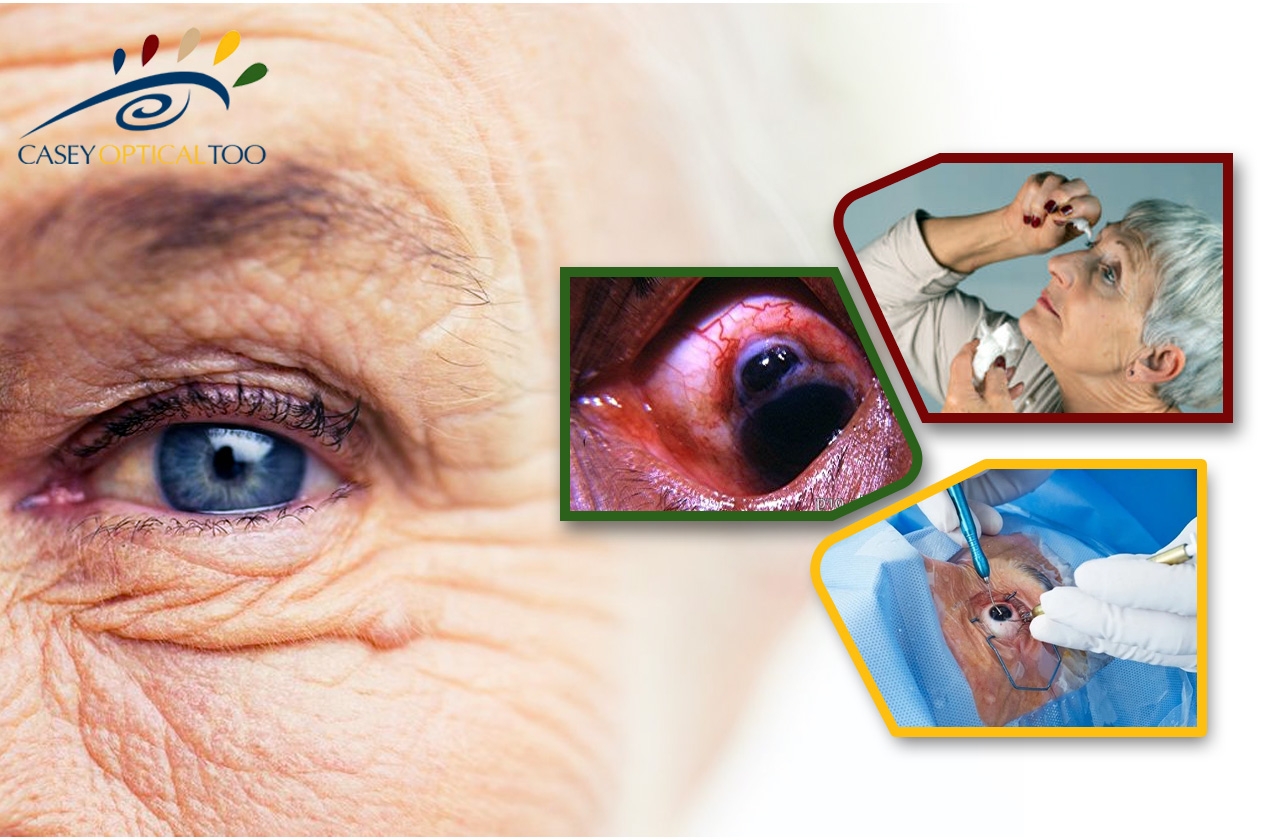
A prevalent age-related eye ailment that affects millions of individuals worldwide is cataracts. Although cataract surgery is a successful treatment for restoring eyesight, there is always a chance of problems, just like other medical procedures. This extensive guide will examine the many cataract surgical issues, their causes, and management options.
Understanding cataracts and cataract surgery:
It's crucial to grasp the fundamentals of cataracts and the surgical process used to treat them before diving into problems.
What are cataracts?
The standard eye lens behind the iris and pupil becomes clouded when a cataract develops. The accumulation of protein in the lens causes this clouding, which results in glare, foggy or blurry vision, and other visual abnormalities. As cataracts worsen, they can significantly affect a person's quality of life.
Cataract surgery - a ray of hope:
Surgery for cataracts is a popular and well-respected operation. The clouded natural lens is removed during surgery, and an artificial intraocular lens (IOL) is placed. Enhancing the patient's quality of life and restoring clear vision are the main objectives of this procedure.
Common complications and their management:
Even though cataract surgery is thought to be safe in most cases, problems can nevertheless arise. Patients and medical professionals must understand these possible problems and how to handle them.
1. Infection:
One of cataract surgery's most dreaded side effects is infection, especially endophthalmitis. Although uncommon, it may have detrimental effects. Usually, endophthalmitis is brought on by bacteria that enter the eye during or after surgery.
Management:
- Antibiotic prophylaxis, both before and after surgery, is essential for lowering the risk of infection.
- It is crucial to closely monitor patients following surgery for any indications of infection, including redness, discomfort, and blurred vision.
- If an infection is detected, prompt treatment with the proper medications is required.
2. Inflammation:
Postoperative inflammation is a common complication after cataract surgery. It can lead to discomfort, redness, and blurred vision. Inflammation typically occurs in response to the surgical trauma to the eye.
Management:
After cataract surgery, postoperative inflammation is a typical side effect. It may cause redness, pain, and blurred vision. Usually, inflammation results from the trauma to the eye during surgery.
3. Swelling and edema:
Following cataract surgery, the eye may swell and retain fluid. It could cause the patient's vision to be fuzzy or blurry, which can be upsetting.
Management:
- The patient should be reassured that the edema is only transitory as these symptoms usually go away with time.
- To lessen edema, doctors may occasionally prescribe extra drugs.
4. Corneal edema:
Corneal edema, or corneal swelling, is an additional possible consequence following surgery. Both discomfort and visual problems may result from it.
Management:
- Over time, corneal edema frequently goes away on its own.
- To relieve discomfort and lessen corneal edema, apply hypertonic saline drops.
5. Secondary Cataract (Posterior Capsule Opacification - PCO):
Posterior capsule opacification (PCO), also referred to as a secondary cataract, is one of the more frequent post-cataract surgical sequelae. PCO is the result of clouding the standard lens's posterior capsule.
Management:
YAG laser capsulotomy is a quick and painless technique used to treat PCO. This therapy entails making a tiny opening in the clouded capsule to restore clear vision.
6. Dislocated IOL:
Seldom can the artificial lens (IOL) become decentered or displaced, resulting in double vision or blurry vision. To appropriately adjust the IOL, this problem can necessitate extra surgical surgery.
Management:
- The IOL may need to be surgically repositioned or replaced to fix the dislocation.
- Frequent check-ups with the surgeon can aid in the early detection and management of this problem.
7. Glaucoma:
Sometimes, glaucoma—a disorder marked by elevated intraocular pressure and probable visual nerve damage—is brought on or made worse by cataract surgery.
Management:
- Following cataract surgery, patients at risk for glaucoma should have close monitoring.
- Additional operations or medications might be required to control high intraocular pressure and maintain the optic nerve's health.
Conclusion:
Surgery for cataracts is a very successful technique that can significantly enhance a patient's quality of life. But, like with any surgery, there could be side effects to be mindful of. It is essential for patients and healthcare providers to comprehend these issues and how to manage them. Most cataract surgical problems can be resolved with appropriate care and prompt intervention, enabling patients to benefit from clear vision and enhanced quality of life. Speak with your ophthalmologist about cataract surgery, potential risks, and precautions to ensure a safe and effective process if you or a loved one are considering the surgery. Recall that cataract surgery is a well-researched and safe treatment, with a minimal chance of complications—mainly when performed by a knowledgeable and experienced physician.
Casey Optical Too, LLC, stands as a beacon of high-quality vision care in Albuquerque. With a commitment to comprehensive and personalized service, our practice has been a cornerstone of the community for years. We invite you to experience our warm and welcoming environment and to schedule an appointment with our dedicated team of optometrists.
Next PostPrevious PostCategories
Recent Posts
- Why Do Dry Eyes Get Worse During Summer?
- The Importance of Regular Eye Exams: More Than Just Clear Vision
- Lucyd Smart Frames: The Future of Smart Glasses?
- Dry Eye or Allergies? How the Trifecta Dry Eye Treatment Can Help
- Allergies and Dry Eye: Simple Guide to Causes, Symptoms, and Relief
Archive
- June 2026
- April 2026
- March 2026
- February 2026
- January 2026
- December 2025
- November 2025
- October 2025
- September 2025
- August 2025
- July 2025
- June 2025
- May 2025
- April 2025
- August 2024
- July 2024
- June 2024
- May 2024
- April 2024
- March 2024
- February 2024
- January 2024
- December 2023
- November 2023
- October 2023
- September 2023
- August 2023
- July 2023
- June 2023
- May 2023
- April 2023
- March 2023
- February 2023
- February 2021
- January 2021
- December 2020
