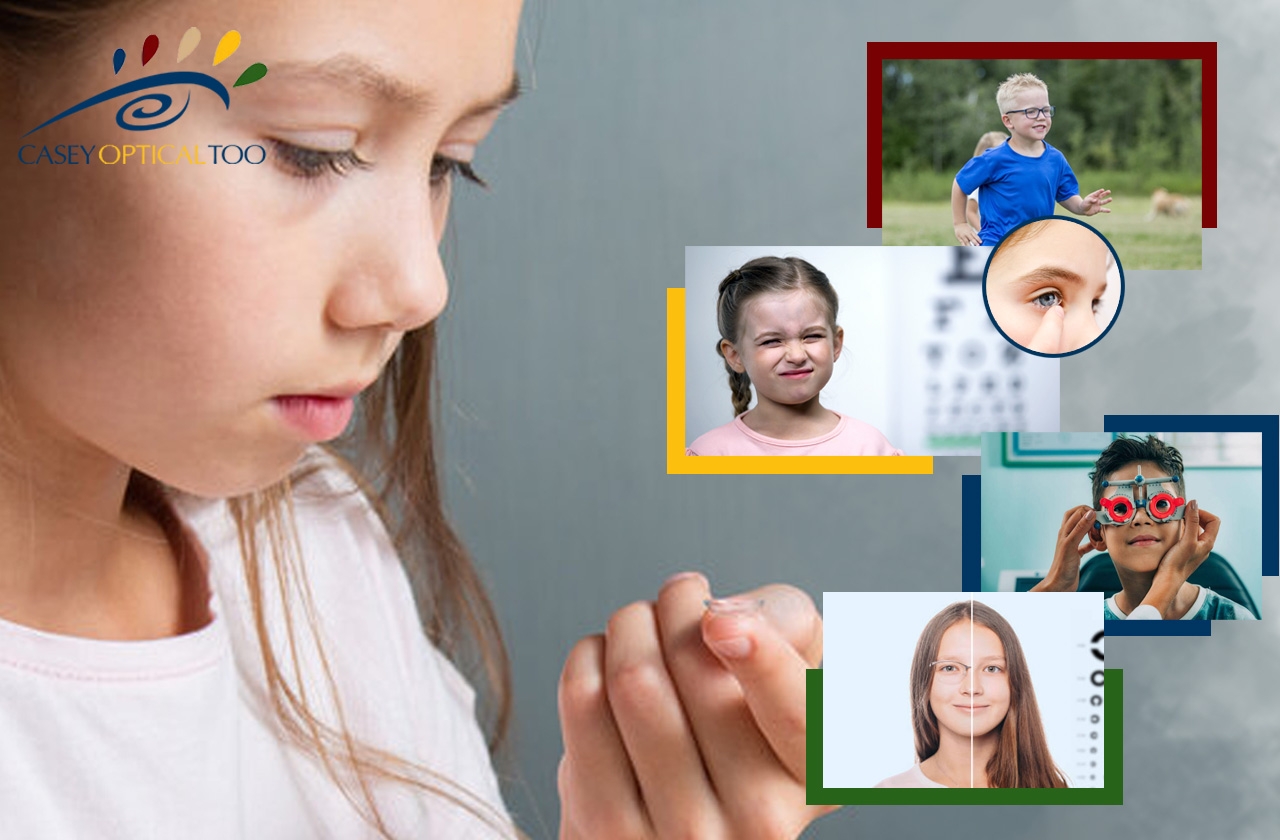
Wearing and maintaining contacts to keep your eyes and eyesight at their best involves more than simply donning glasses. But when should someone begin wearing contacts? Here is some advice to consider when navigating your first contact lens experience.
Is it okay for kids to wear contacts?
The question "Are contact lenses safe for kids?" is one that parents and other caregivers ask most often regarding children with contacts.
It depends, is the brief response.
Children can wear contacts without harm, although
Parents and other caregivers need to comprehend that a child's safety depends on their age and capacity to wear and care for contact lenses. It goes well beyond simply knowing that the child is safe. These elements are more crucial than the recommended age range for children's contact lenses.
Contact lens benefits
Your child may receive assistance from them:
- Better vision: Rigid gas permeable lenses improve vision compared to their glasses. Additionally, contacts enable peripheral vision, as the eye specialist describes, allowing you to see what's to your sides.
- Better feeling: Some children don't want to wear glasses to school, even though they are in and out of fashion. Particularly if they have thick lenses, they stick out, and your child may become the focus of jokes because of them. A pair of contacts can increase self-confidence, improve academic achievement and friendships. It's also fantastic for youngsters who participate in sports or other activities where it can be difficult to keep their glasses on.
Why are contact lenses recommended for teens and young adults?
Although some kids and teenagers may need contact lenses for medical reasons2, contact lenses are typically selected as an alternative to glasses. The development of myopia-control contact lenses in recent years has increased interest in utilizing contact lenses to halt myopia progression in youngsters.
Compared to wearing glasses, children (8–12 years old) and teenagers (13–17 years old) who wear soft contact lenses had better-vision-related quality of life. Both groups express increased activity levels, pleasure with their vision correction, and pride in their looks.
When choosing children's contact lenses
Contact lens wearers must take appropriate care of their lenses. While issues are rare (about 5% of wearers have them each year), they typically develop when contacts are worn or handled incorrectly.
Your kid is capable of handling this duty. Does she do well with instructions? He doesn't need to be reminded to perform his duties, does he? Does she ever neglect her home assignments? Consider whether your child can learn to put in and take out contacts correctly, especially when sleepy, maintain clean lenses, and adhere to a regular wear schedule.
Your youngster might require contacts. Is your ophthalmologist recommending contacts? Does your child wish to improve their athletic performance? If your child desires solely aesthetics, talk to them about any underlying problems or peer pressure that may motivate it.
Children's contact lens benefits
- Better vision: Compared to glasses, contact lenses offer a wider field of vision, which can be very useful for children participating in sports and other activities.
- Enhanced self-esteem: Some kids may feel more assured and at ease with their looks when using contact lenses instead of spectacles.
- Physical activities: Contact lenses are the best option for active youngsters since they remove the nuisance and potential safety hazards of glasses during physical activities.
- Less prone to damage: Contact lenses are preferable to glasses for active children since they are less prone to shatter or get damaged.
- Reduced distortion: Since contact lenses rest directly on the eye, any distortion that might have been brought on the glasses lenses is eliminated.
- Reduced glare and reflections: Since contact lenses lack light-reflecting lenses, they don't cause as much glare in photographs or while driving at night.
Cons of contact lenses for children:
- Hygiene and care: Children who wear contact lenses must follow stringent hygiene guidelines, including correct handwashing, lens cleaning, and lens storage. Eye infections may result from failure to do so.
- Maturity level: Some kids might not be old enough to handle contact lenses appropriately, which could cause problems with insertion, removal, and maintenance.
- Risk of infection: Poor lens maintenance or excessive lens use might raise the risk of eye infections.
- Eye comfort: Some children who wear contact lenses may experience pain or dryness, particularly if they spend a lot of time in dry settings or in front of screens.
- Potential for lost lenses: Young children have a higher risk of accidentally losing or misplacing contact lenses, which could result in additional expenses.
- Regular follow-ups: To ensure correct fit, accuracy of prescription, and eye health, contact lens wearers must schedule routine follow-up appointments with an eye care expert.
- Cost: Over time, contact lenses, cleaning agents, and routine replacement can be expensive.
- Emergency glasses: In case of eye discomfort or illness, children who wear contacts must also carry a spare pair of glasses.
- Adaptation period: Some kids might need some time to get used to the pain that comes with using contact lenses at first.
Which option for contact lenses is best for my kid?
Your child's or teen's best option will be determined by their prescription, eye health, and other aspects, including sports, hobbies, and everyday activities. Myopic children and adolescents with myopia may benefit from wearing ortho-k lenses at night and daily disposable and reusable soft contacts. Depending on their clinical findings and other specific factors, your optometrist or eye doctor will discuss these options with you.
Conclusion
Speaking with an eye care specialist before choosing contact lenses for your child is important. They can determine whether your child is a good candidate for contact lenses, offer advice on lens cleaning and maintenance, and assist you in making an informed choice based on your child's particular requirements, age level, and eye health.
Casey Optical Too, LLC, is a pillar of high-quality vision care in Albuquerque, New Mexico. We invite you to schedule an appointment with the best optometrists in town and experience the difference. Our priority is your vision and our dedication to providing exceptional care.
Next PostPrevious PostCategories
Recent Posts
- Why Do Dry Eyes Get Worse During Summer?
- The Importance of Regular Eye Exams: More Than Just Clear Vision
- Lucyd Smart Frames: The Future of Smart Glasses?
- Dry Eye or Allergies? How the Trifecta Dry Eye Treatment Can Help
- Allergies and Dry Eye: Simple Guide to Causes, Symptoms, and Relief
Archive
- June 2026
- April 2026
- March 2026
- February 2026
- January 2026
- December 2025
- November 2025
- October 2025
- September 2025
- August 2025
- July 2025
- June 2025
- May 2025
- April 2025
- August 2024
- July 2024
- June 2024
- May 2024
- April 2024
- March 2024
- February 2024
- January 2024
- December 2023
- November 2023
- October 2023
- September 2023
- August 2023
- July 2023
- June 2023
- May 2023
- April 2023
- March 2023
- February 2023
- February 2021
- January 2021
- December 2020
