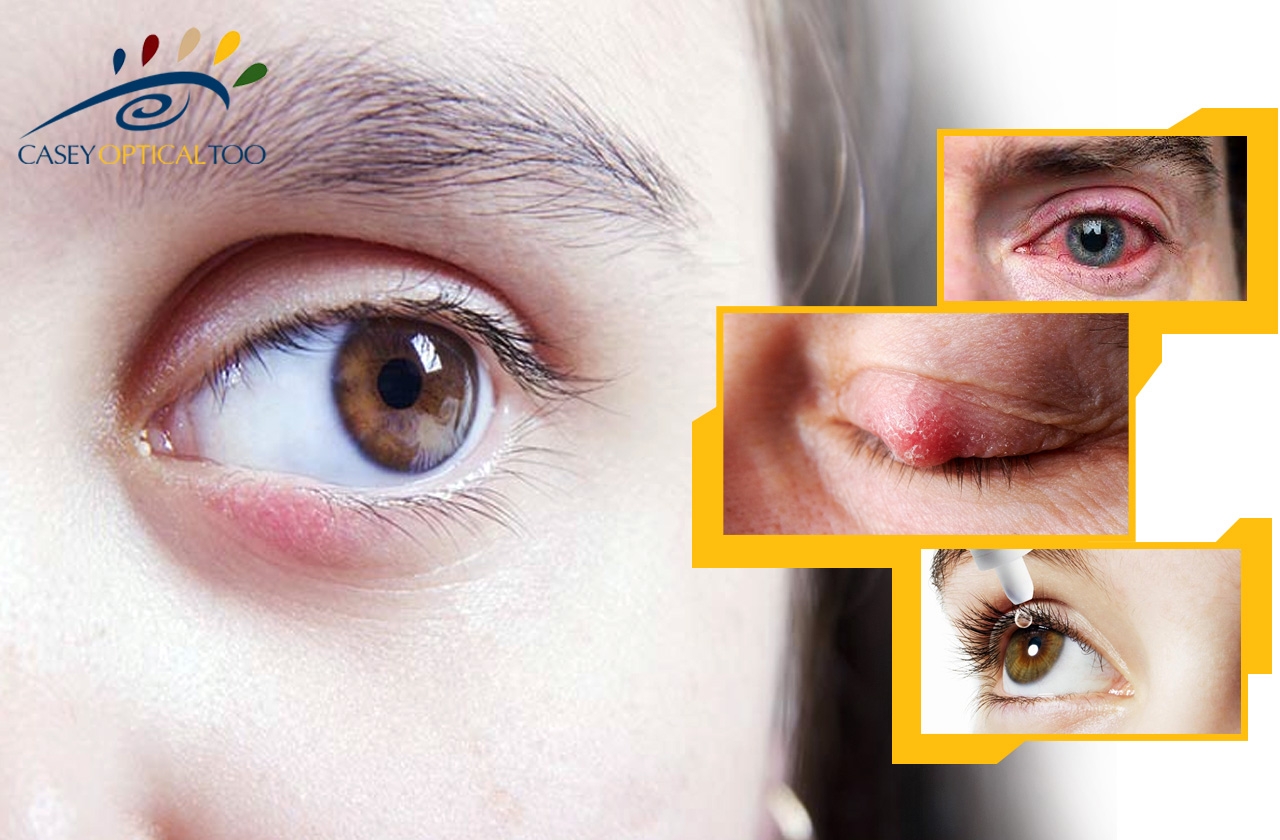
A thin oily material is produced by microscopic glands on your eyelid to keep your eyes moist. You may develop a chalazion, a swollen, painless gland when one of those glands becomes clogged. A chalazion may usually be treated at home.
What is a chalazion?
A red eyelid lump is known as a chalazion. It is also known as a meibomian cyst or an eyelid cyst. As a result of a clogged meibomian oil gland, it develops gradually.
The chalazion may initially sting but stops hurting after a short while. A chalazion typically develops on the upper eyelids, though it can also happen on the lower lid.
In most cases, adults between the ages of 30 and 50 experience the development of chalazia (the plural of chalazion). Although they do not frequently occur in kids, it is possible.
A chalazion, is it a stye?
Although a chalazion is not a style, it might develop due to one. Bacterial infections called styes make the gland enlarge. Styes may cause pain. A chalazion typically develops further back on the eyelid and is not uncomfortable.
Chalazion vs stye
A chalazion can occasionally be mistaken for an interior or exterior style. An infection of the meibomian gland results in an internal stye. An infection around the sweat gland and eyelash follicle is an external stye.
Chalazia normally don't hurt, whereas sites frequently do. Chalazia may follow styles.
What causes a chalazion?
When something obstructs a tiny oil gland in the eyelid, chalazia may form. These glands keep the eye moist. A clogged gland swells as it starts to hold oil. The fluid eventually drains, and your eyelid may develop a hard lump.
Other causes of chalazia include:
- Rose (a skin condition characterized by inflammation and acne).
- Inflammation of the eyelids (redness, swelling, and irritation), chronic blepharitis.
- Skin that is red, dry, flaky, and itchy is known as seborrheic dermatitis.
- TB, or tuberculosis.
- Viral illnesses.
Symptoms of chalazion
- Upper or, less frequently, lower eyelids may experience a painless bulge or bump.
- Caused by the fluid in the eyelid's oil glands (meibomian glands) becoming thicker.
- As clogged glands are required for healthy tears, there may be some tearing and minor irritation.
- If the chalazion is big enough to press against the eyeball, it will cause blurry vision.
- It usually occurs in people aged 30 to 50 and is more common in adults than children.
- Usually, they go away on their own without treatment for a few weeks to a month, though they frequently return.
Chalazion causes and risk factors
A blockage in one of the small meibomian glands of the upper and lower eyelids causes chalazion. These glands create oil, which aids in keeping the eyes moist.
Chalazia's root causes include viruses or inflammation that affect the meibomian glands.
Chalazia is more prevalent in those who have:
- Viral conjunctivitis, an inflammation that affects the eyelids and the inside of the eyes, seborrheic dermatitis, and other inflammatory diseases
- Acne rosacea
- long-lasting eyelid irritation
- Although uncommon, recurring or unusual chalazia may be signs of more severe disorders.
How is a chalazion diagnosed?
When you have a chalazion, you will often visit an eye expert. You might visit an ophthalmologist or an optometrist. These medical professionals can inspect the chalazion and recommend possible treatments.
When you visit the eye doctor, you should anticipate the following:
- Health history: Give a detailed account of your medical history. Your healthcare professional can identify underlying problems that may be causing chalazion formation with the aid of this information.
- External eye examination: Your doctor will look at the texture of your skin, eyelashes, and eyelids.
- Comprehensive eyelid examination: Eye doctors magnify and beam a strong light on the base of your eyelashes. They also examine the apertures of the oil glands.
Treatment of chalazion
Most chalazias heal independently in a few weeks to a month with little medical intervention.
- For a few days, apply warm compresses to the eyelid for 10 to 15 minutes, four to six times a day. Warm compresses facilitate drainage and healing by softening the duct-blocking, hardened oil. Wring out a clean, soft cloth after immersing it in warm water to create a warm compress. To keep the towel warm and wet, frequently re-moisten it.
- For a few minutes each day, gently massage the outer eyelids to encourage drainage.
- Maintain cleanliness in the region and keep hands away from the eyes until the chalazion drains naturally. Contact an optometrist if the chalazion does not drain and heal within a month.
- Once more, avoid attempting to compress or "pop" the chalazion since you risk unintentionally doing more harm.
After a few weeks, if the chalazion has not resolved, medical attention may be necessary. It may entail a draining incision or an injection of steroids to lessen swelling and irritation.
How to prevent a chalazion
You can't always prevent acquiring a chalazion. It is particularly valid if you are prone to this eye issue.
You can try to prevent this situation by doing a few things, though:
- Before touching your eyes, always wash your hands.
- Ensure that anything that touches your eyes, such as glasses and contact lenses, is clean.
- Follow your physician's advice to assist in managing any conditions that put you at risk of getting chalazia.
Conclusion
A chalazion is an oil gland obstruction on the eyelid that causes no pain or infection. Usually, it is treated conservatively using methods that encourage drainage and lessen irritation. Using warm compresses, a gentle eyelid massage, and maintaining clean eyelids can help chalazia go away. Over-the-counter remedies and prescription drugs may be suggested in persistent or repeated occurrences. Occasionally, surgical intervention may be required. Speak with an eye care specialist to get an accurate diagnosis and a tailored treatment plan for a chalazion.
Discover exceptional vision care and a warm, welcoming environment at Casey Optical Too, LLC. Our commitment to high-quality vision care and comprehensive services ensures all your eye care needs are met. Schedule your appointment today and experience the best in optometry services in Albuquerque, New Mexico. Your vision matters to us.
Next PostPrevious PostCategories
Recent Posts
- Why Do Dry Eyes Get Worse During Summer?
- The Importance of Regular Eye Exams: More Than Just Clear Vision
- Lucyd Smart Frames: The Future of Smart Glasses?
- Dry Eye or Allergies? How the Trifecta Dry Eye Treatment Can Help
- Allergies and Dry Eye: Simple Guide to Causes, Symptoms, and Relief
Archive
- June 2026
- April 2026
- March 2026
- February 2026
- January 2026
- December 2025
- November 2025
- October 2025
- September 2025
- August 2025
- July 2025
- June 2025
- May 2025
- April 2025
- August 2024
- July 2024
- June 2024
- May 2024
- April 2024
- March 2024
- February 2024
- January 2024
- December 2023
- November 2023
- October 2023
- September 2023
- August 2023
- July 2023
- June 2023
- May 2023
- April 2023
- March 2023
- February 2023
- February 2021
- January 2021
- December 2020
