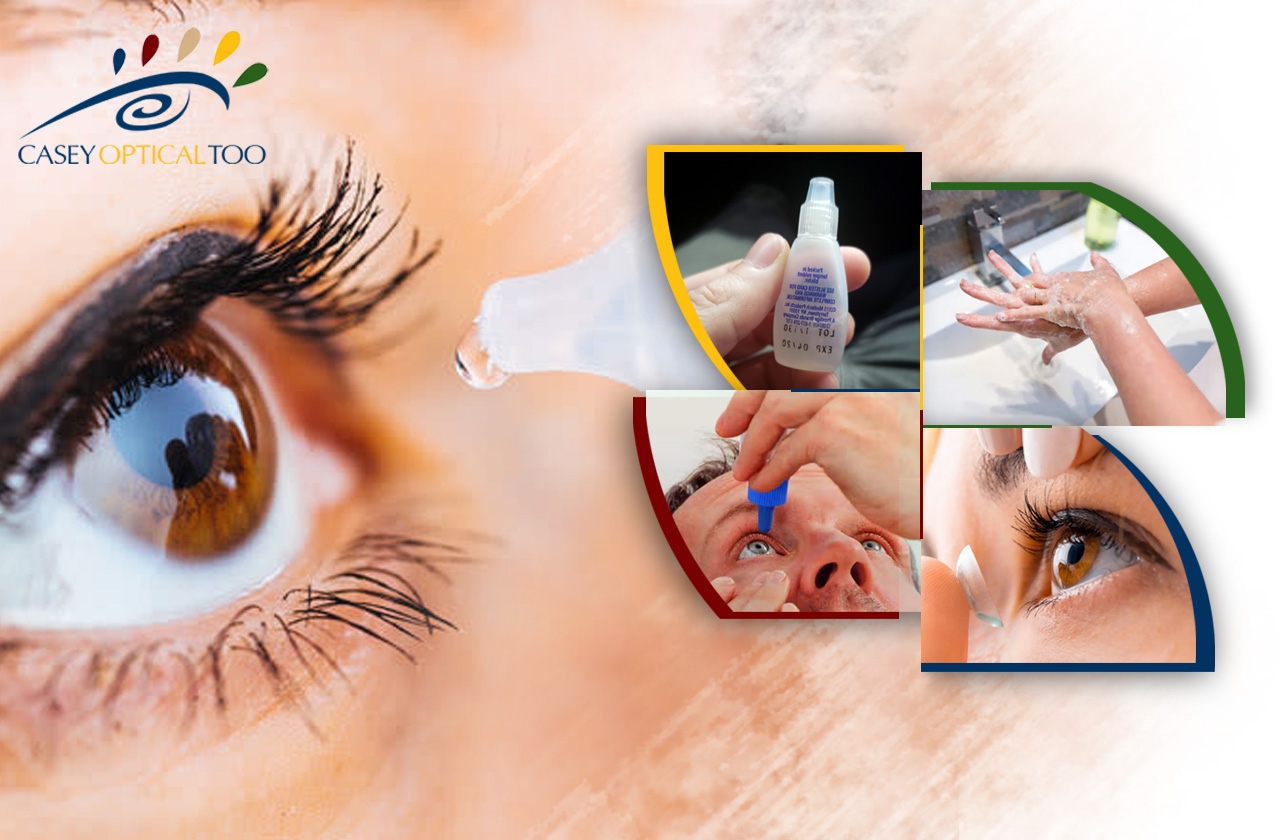
Eye drops are a common drug used to treat various eye problems. They are also known as ophthalmic or ocular drops. Whether you have glaucoma, allergies, dry eyes, or any other eye issue, knowing how to apply eye drops correctly is essential for effective treatment and maintaining eye health. In this comprehensive tutorial, we will cover all you need to know to apply eye drops correctly and maximize the benefits of your prescription.
1. Understanding eye drops
Let's first review what eye drops are and how they operate before we get into the right application technique.
1.1 What are eye drops?
Sterile solutions intended for direct ocular injection are called eye drops. They are available in several formulas, each designed to treat particular ocular ailments. Antihistamine drops for allergies, lubricating drops for dry eyes, antibiotic drops for infections, and glaucoma medicine drops to lower intraocular pressure are common forms of eye drops.
1.2 How do eye drops work?
The capacity of eye drops to administer medication straight to the surface, or internal tissues of the eye determines how effective they are. When a medicine is applied correctly, its therapeutic advantages are maximized because it is dispersed uniformly. The drops' active ingredients target the particular issue, offering relief and encouraging healing.
2. Preparing to apply eye drops
It's important to prepare properly before applying eye drops. It is what you must do:
2.1 Wash your hands
Start by giving yourself a good hand wash with warm water and soap. It is a crucial step to ensure that the application doesn't introduce any hazardous bacteria or particles into your eyes.
2.2 Check the expiration date
Verify if the eye drops, you have are still within their expiration date. Used drops could not work as well and might even hurt your eyes.
2.3 Shake the bottle
Shake your eye drop bottle gently before using it if that's what the directions say. Shaking aids in distributing the drug throughout the fluid evenly.
2.4 Remove contact lenses
Take off your contact lenses before using the eye drops if you wear them. The medicine may be absorbed by lenses, which would lessen its potency.
3. Applying eye drops step-by-step
Let's now go to the detailed instructions for effectively using eye drops.
3.1 Find a comfortable position
It would help if you sat or stood in front of a mirror to verify accuracy and reduce discomfort. Another option is to try reclining down and cocking your head back.
3.2 Tilt your head back
Tilt your head back and direct your gaze upward, whether seated or standing. If you're on your back, raise your head.
3.3 Gently pull down the lower eyelid
Gently draw down your lower eyelid with one hand to form a tiny pouch.
3.4 Hold the bottle correctly
Holding the eye drop bottle like a pencil or pen with your other hand, keep your fingers away from the dropper tip. It lessens the chance of contamination.
3.5 Focus on a point
To keep your hand stable while applying the drips, focus your attention on a single location.
3.6 Administer the drops
Please make sure the dropper tip does not come into contact with your eye or lashes by positioning it precisely above the lower lid pouch of your eye. To release one drop into the bag, gently squeeze the bottle. Refrain from blinking right away after applying the drop.
3.7 Blink slowly
Once the eye drop has been applied, slowly close your eyes and blink a few times. It enables the drug to disperse uniformly throughout the surface of the eye. Repeat the procedure if you need to administer drops to both eyes.
3.8 Maintain sterility
Ensure to prevent the eye drop bottle's tip from touching your eyes, lashes, or surface. It will support preserving the solution's sterility.
3.9 Replace the cap
Ensure the eye drop bottle's cap is securely back on to avoid contamination and solution evaporation.
4. Common mistakes to avoid
Errors can still happen even when planning and technique are correct. To guarantee the ideal outcomes from your eye drops, be mindful of these typical mistakes:
4.1 Missing the eye
Ignoring the eye is among the most frequent errors. It may occur if your hand is not steady or the dropper tip inadvertently comes into contact with your eye. Keep your focus on the lower lid pouch at all times.
4.2 Blinking immediately
The drug may be forced out of your eye before it has a chance to do its job if you blink immediately after applying the drop. Gently close your eyes and blink a few times to distribute the medication.
4.3 Using contaminated Hands
It is possible to get dangerous bacteria in your eyes by not washing your hands or inadvertently touching your eyes with contaminated fingers. Hands should always be cleaned before using eye drops.
4.4 Overusing eye drops
Overdosing on drops might result in overmedication and have unfavorable side effects. Observe the directions on the product label or those provided by your doctor.
4.5 Mixing different eye drops
If you are using multiple eye drop medications, wait at least 5-10 minutes between each application to prevent dilution and ensure that each medication is absorbed effectively.
4.6 Forgetting to replace contact lenses
Remember to remove your contact lenses if you wear them before applying eye drops. Not doing so may prevent the drops from getting to the outside of your eye.
5. Post-application care
There are a few crucial actions to do after applying your eye drops:
5.1 Wait before reinserting contact lenses
If you wear contact lenses, give the medication at least 15 minutes to take effect before putting them back in.
5.2 Avoid touching your eyes
After administering eye drops, try not to touch or wipe your eyes as this may introduce bacteria and remove the medication.
5.3 Dispose of expired medication
As per local requirements, dispose of expired eye drops properly. Eye drops that are beyond their expiration date should never be used.
5.4 Store eye drops correctly
After using your eye drops, firmly replace the cap and store the drops in a cold, dry location. Keep them out of the direct sunshine and the severe weather.
6. Special considerations
6.1 Children and elderly
It could be beneficial to have someone aid administer eye drops to young patients or the elderly to ensure correct dosing.
6.2 Vision impairment
If your vision impairment prevents you from seeing or from applying eye drops, you should think about getting help from a caregiver or a medical expert.
6.3 Allergies and sensitivities
Talk to your doctor about other options if you have a sensitivity or allergy to any of the substances in the eye drops to prevent any negative reactions.
6.4 Contact lens wearers
When using eye drops while wearing contact lenses, wearers should speak with their eye care provider. They might suggest specific eye drops in certain circumstances that work with contacts.
Conclusion
The efficacy of your eye medicine and the general health of your eyes depends on how well you apply eye drops. You can lower the possibility of mistakes and issues by making sure you are administering your eye drops correctly by following the instructions provided in this thorough guide. Please don't hesitate to seek advice and support from your eye care specialist if you have any questions or issues. Because your vision is so valuable, give your eyes the proper care they need.
Casey Optical Too, LLC, is a pillar of high-quality vision care in Albuquerque, New Mexico. We invite you to schedule an appointment with the best optometrists in town and experience the difference. Our priority is your vision and our dedication to providing exceptional care.
Next PostPrevious PostCategories
Recent Posts
- Walk In with Confidence: Outside Prescriptions Welcome at Casey Optical Too
- Premium Dry Eye Treatment at an Affordable Price: The TriFecta Dry Eye Relief Package
- Casey Optical Too Wins Best Eyeglass Shop in Albuquerque | Best of the City 2025
- Understanding the basics: Insurance, Vision Plans & FSA
- The Smart Eyewear Renaissance is at Casey Optical Too!
Archive
- January 2026
- December 2025
- November 2025
- October 2025
- September 2025
- August 2025
- July 2025
- June 2025
- May 2025
- April 2025
- August 2024
- July 2024
- June 2024
- May 2024
- April 2024
- March 2024
- February 2024
- January 2024
- December 2023
- November 2023
- October 2023
- September 2023
- August 2023
- July 2023
- June 2023
- May 2023
- April 2023
- March 2023
- February 2023
- February 2021
- January 2021
- December 2020
